Shockwave Therapy in Philadelphia, Pennsylvania
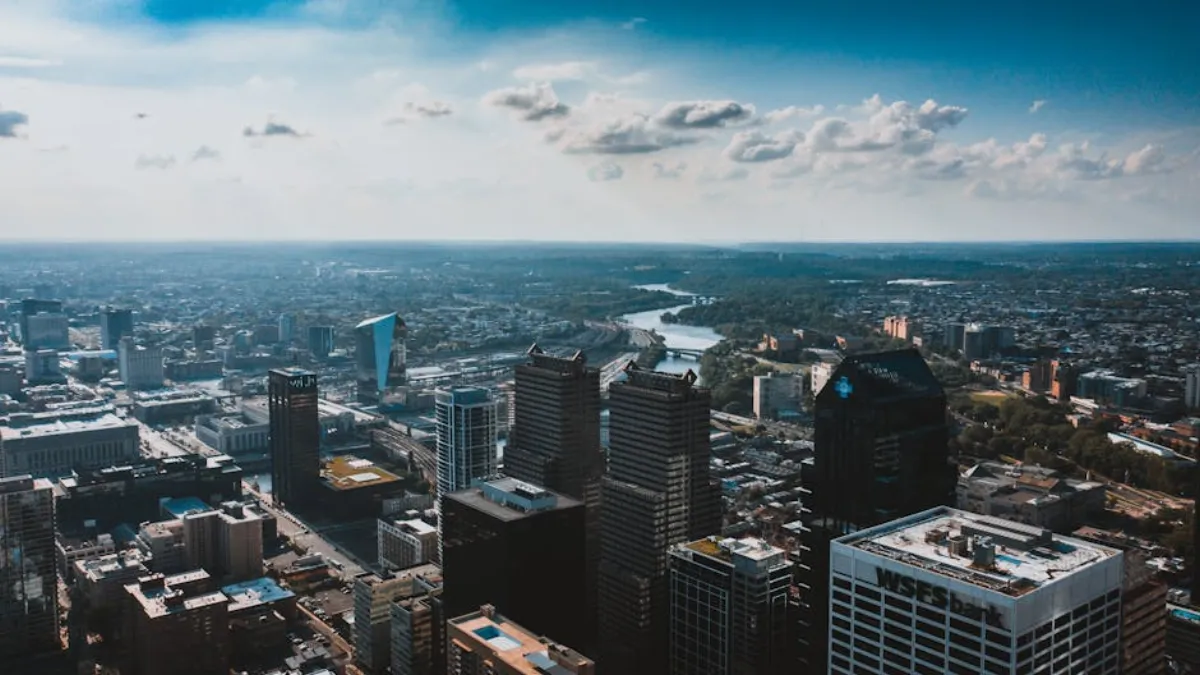
Shockwave Therapy in Philadelphia: What You Need to Know
Philadelphia’s combination of a dense urban walking environment, passionate sports culture, and deep academic medical infrastructure makes it a strong market for shockwave therapy. Philadelphians walk — to the subway, through Center City, across the expansive Fairmount Park system — and that foot mileage generates chronic lower extremity conditions at rates comparable to New York.
The city’s running culture centers on the Schuylkill River Trail and the Martin Luther King Jr. Drive loop, which together form one of the most popular urban running corridors on the East Coast. The Broad Street Run — the largest 10-mile race in the U.S. with 40,000+ participants — and the Philadelphia Marathon sustain year-round training communities. Kelly Drive, Wissahickon Valley Park’s rugged trails, and the Pennypack Trail add terrain variety that also adds injury risk.
Philadelphia’s occupational profile drives demand from another angle. The city maintains significant healthcare (Penn Medicine, Jefferson Health, Temple Health), logistics (Philadelphia International Airport, Amazon distribution hubs), and construction sectors. Workers in these industries face repetitive strain injuries that respond well to ESWT when conservative measures fail.
Penn Medicine, Thomas Jefferson University Hospital, and Rothman Orthopaedics anchor the academic sports medicine landscape. Rothman in particular — official team physicians for the Eagles, Phillies, Flyers, and 76ers — has helped normalize advanced non-surgical treatments including shockwave therapy across the region.
Common Conditions Treated in Philadelphia
Plantar fasciitis is the leading condition driving ESWT visits in Philadelphia. The high daily walking volume, hard concrete and cobblestone surfaces in Old City and throughout Center City, and the massive running community all contribute. Runners training on the paved Schuylkill Trail accumulate the repetitive heel loading that turns acute plantar pain into a chronic condition. Learn more about shockwave therapy for plantar fasciitis.
Tennis elbow (lateral epicondylitis) is common among Philly’s office workforce concentrated in Center City and University City, as well as among recreational tennis and pickleball players at the city’s park facilities and private clubs. The condition also appears frequently in tradespeople — electricians, plumbers, and HVAC technicians — in Philadelphia’s large construction and building maintenance workforce. Read about ESWT for tennis elbow.
Patellar tendinopathy shows up consistently among Philadelphia’s basketball community — from organized recreation leagues to the intense pickup culture at courts across the city — and among runners who train through the winter on indoor surfaces before transitioning to outdoor spring mileage.
What to Expect: Cost & Availability
ESWT sessions in Philadelphia typically range from $200 to $450 per session. Center City and Main Line (Bryn Mawr, Ardmore, Wayne) practices tend to price higher, while providers in Northeast Philadelphia, South Jersey suburbs, and Delaware County often offer lower rates. Most treatment plans involve 3-6 sessions.
Pennsylvania insurance coverage for ESWT is limited. Most commercial plans (Independence Blue Cross, Highmark, Aetna, UPMC Health Plan) do not cover radial shockwave therapy as a standard benefit. Focused ESWT may be considered for FDA-approved indications with prior authorization and documented failure of 6+ months of conservative treatment, but denials are common. Plan for out-of-pocket payment.
ESWT providers in Philadelphia include orthopedic sports medicine groups (Rothman Orthopaedics has multiple locations), physical therapy practices, podiatry offices, and chiropractic clinics. Provider density is highest in Center City, University City, and along the Main Line, with availability expanding into Bucks and Montgomery County suburbs.
How to Find a Qualified Provider in Philadelphia
Seek out board-certified sports medicine physicians, orthopedic surgeons, podiatrists, or licensed physical therapists with documented ESWT training and experience. Philadelphia’s strong academic medical presence means many providers have exposure to current evidence, but hands-on ESWT case volume varies.
Ask whether the clinic uses focused or radial shockwave — or both. Focused shockwave delivers energy to a specific tissue depth and is used for deeper pathology like calcific shoulder tendinitis. Radial pressure wave therapy is effective for superficial tendinopathies including plantar fasciitis and lateral epicondylitis. Understanding which device is appropriate for your condition is important.
A quality provider will diagnose before treating. Expect a physical examination and ideally a musculoskeletal ultrasound to confirm the condition before beginning ESWT. Ask about their expected outcomes for your diagnosis, the number of sessions recommended, and their approach if shockwave does not produce adequate results.
Learn more about conditions treated with shockwave therapy or browse our latest research and articles for additional guidance.
Shockwave Therapy Providers in Philadelphia, Pennsylvania
We don't have any listed providers in Philadelphia, Pennsylvania yet.
Learn more about conditions treated with shockwave therapy or browse our latest research and articles.
Conditions Treated with Shockwave Therapy
Providers in Philadelphia may offer shockwave therapy for the following conditions:
- Shockwave Therapy for Achilles Tendinopathy
- Shockwave Therapy for Calcific Shoulder Tendinitis
- Shockwave Therapy for Cellulite
- Shockwave Therapy for Erectile Dysfunction
- Shockwave Therapy for Hip Bursitis
- Shockwave Therapy for Patellar Tendinopathy
- Shockwave Therapy for Plantar Fasciitis
- Shockwave Therapy for Shin Splints