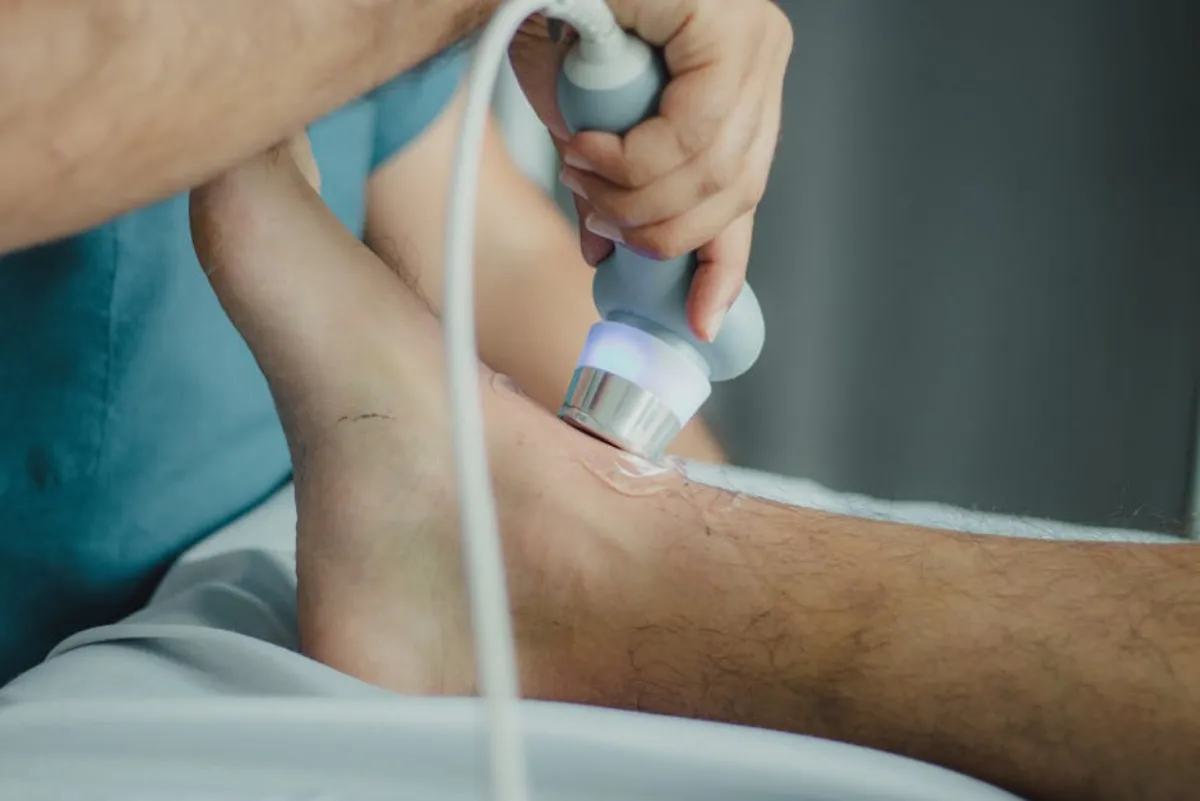
Shockwave Therapy vs. Therapeutic Ultrasound
Both treatments involve a handheld device, a layer of gel, and sound energy directed at your injury. So it’s no surprise patients confuse shockwave therapy w...
The internet's most comprehensive, evidence-based resource on extracorporeal shockwave therapy. No hype. No device sales. Just clear answers backed by research.
If you are dealing with a nagging tendon injury that will not go away — plantar fasciitis that makes your first steps out of bed miserable, a tennis elbow that has resisted every brace and exercise your PT gave you, or a shoulder that has been limiting your life for months — you have probably started searching for alternatives. Shockwave therapy is one of the most promising options on the table, and it is increasingly backed by serious clinical evidence.
Shockwave therapy, formally known as extracorporeal shockwave therapy (ESWT), is a non-invasive treatment that uses acoustic pressure waves — similar in concept to the technology that breaks up kidney stones — to stimulate healing in damaged tendons, muscles, and other soft tissues.
A handheld device delivers rapid pulses of pressure energy into the injured tissue, triggering increased blood flow, new collagen production, breakdown of calcified deposits, and pain reduction. The result is not just pain relief — the therapy restarts the healing process in tissues stuck in chronic inflammation.
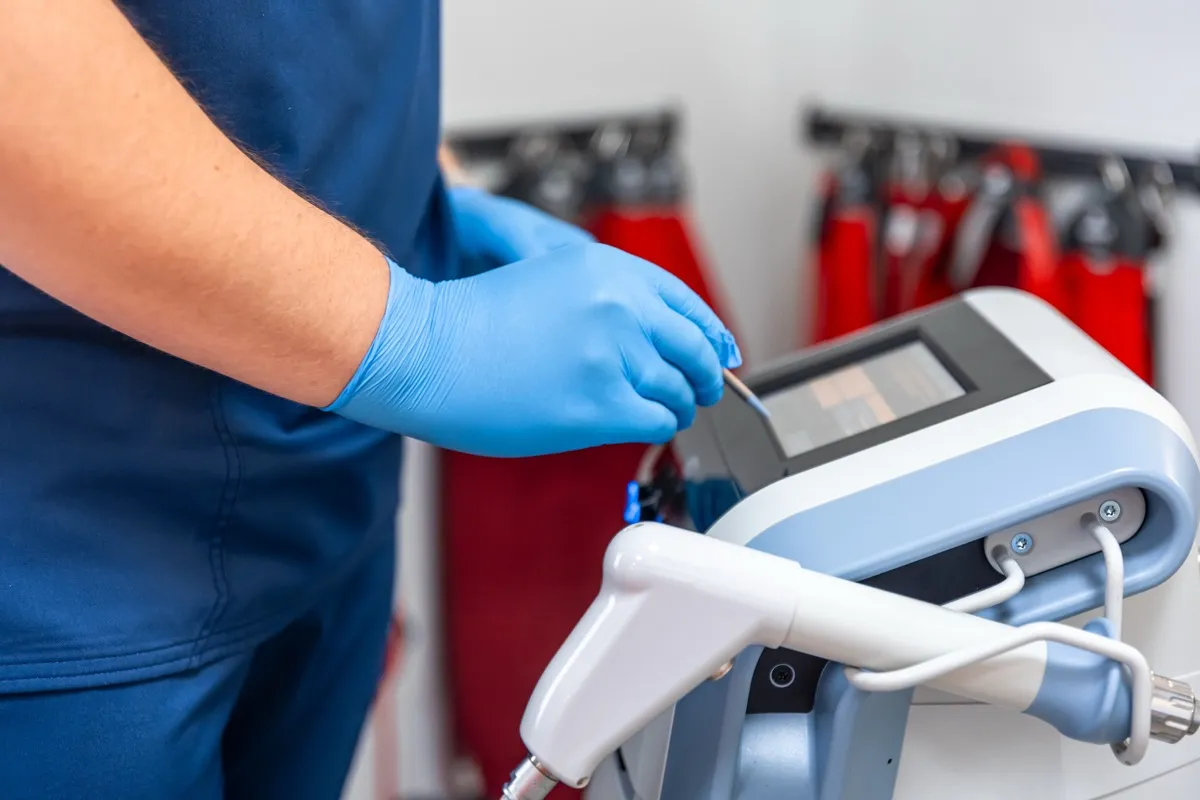
In-depth, research-backed guides covering evidence strength, treatment protocols, success rates, costs, and what to expect.
Shockwave therapy for Achilles tendinopathy: how ESWT treats chronic tendon pain, clinical evidence and success rates,...
Shockwave therapy for calcific shoulder tendinitis: how ESWT breaks down calcium deposits, clinical evidence, treatment...
Learn about acoustic wave therapy for cellulite reduction. Evidence, treatment process, expected results, and how to...
Examining low-intensity shockwave therapy (Li-ESWT) for erectile dysfunction. Honest review of clinical evidence, FDA...
Learn how shockwave therapy treats hip bursitis (greater trochanteric pain syndrome). Review clinical evidence,...
Shockwave therapy for patellar tendinopathy (jumper's knee): how ESWT works, clinical evidence, treatment sessions,...
Shockwave therapy is FDA-cleared for chronic plantar fasciitis. Learn how ESWT works, what research says about success...
How shockwave therapy treats shin splints (medial tibial stress syndrome). Review clinical studies, treatment process,...
Shockwave therapy is FDA-cleared for chronic tennis elbow (lateral epicondylitis). Learn how ESWT treats tendon pain,...
How shockwave therapy treats myofascial trigger points. Review clinical evidence for focused and radial ESWT, treatment...
An honest look at what treatment actually feels like, why intensity varies, and tips for managing discomfort.
Read the guideReal costs per session and by condition, insurance coverage facts, and how to use FSA/HSA for treatment.
Read the guideWhat the clinical data actually shows about effectiveness, how studies define success, and why numbers vary.
Read the guideHow long shockwave therapy takes to work, condition-specific timelines, and the biology behind the wait.
Read the guideThe two main types of shockwave therapy use different physics. Learn which conditions favor which type.
Read the guideCommon side effects, what is normal after treatment, red flags to watch for, and contraindications.
Read the guide
Both treatments involve a handheld device, a layer of gel, and sound energy directed at your injury. So it’s no surprise patients confuse shockwave therapy w...
If you’ve been researching treatment options for a chronic tendon injury, two names keep appearing in the “regenerative medicine” category: extracorporeal sh...

Your doctor may have told you that you have “tendinitis” – inflammation of a tendon. You may have been prescribed anti-inflammatory medications, ice, and res...

Return to running without heel pain

Train without nagging tendon injuries

Move freely and live without limitations
Our condition guides include detailed FAQs, research citations, and everything you need to make an informed decision about treatment.
Explore Condition Guides