Shockwave Therapy in New York, New York
Shockwave Therapy in New York: What You Need to Know
New York City’s healthcare infrastructure is among the densest in the world, with academic medical centers like NYU Langone, HSS (Hospital for Special Surgery), and Mount Sinai anchoring a sports medicine ecosystem that attracts patients from across the Northeast. Extracorporeal shockwave therapy (ESWT) has become increasingly available across the five boroughs as demand grows from the city’s active population.
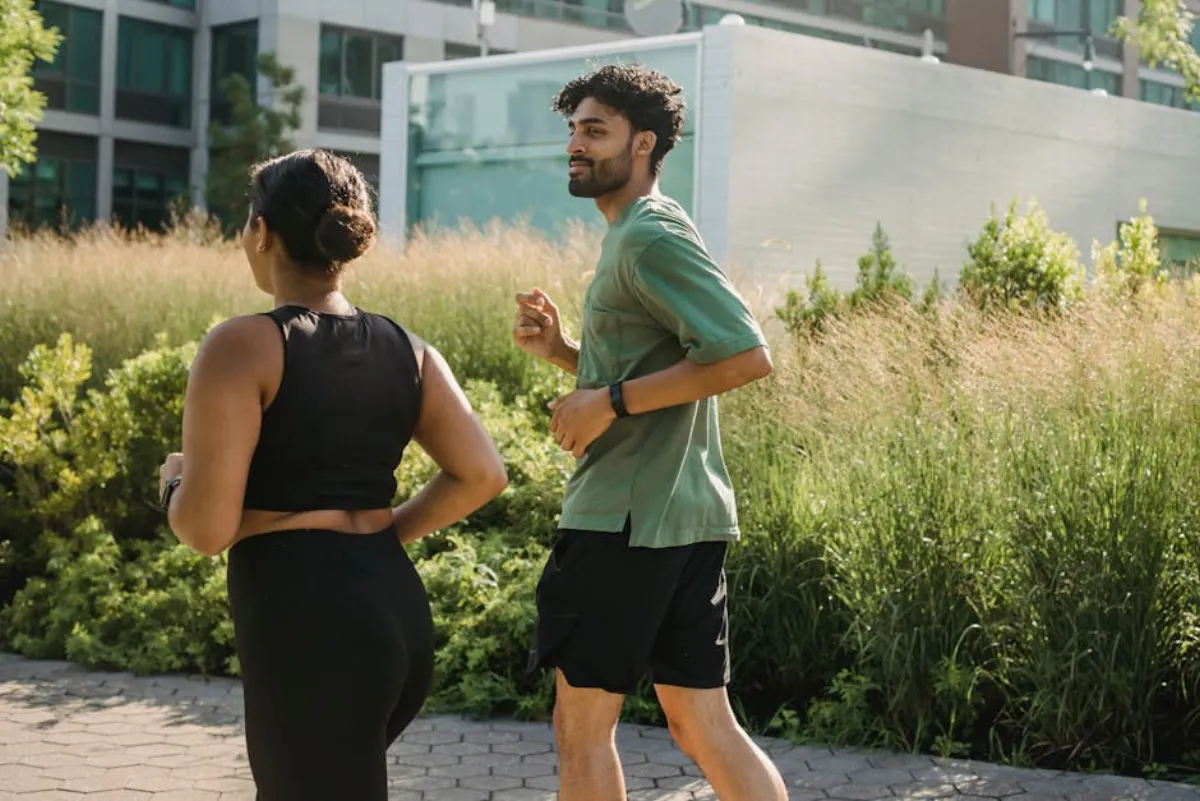
The NYC running scene alone drives significant ESWT demand. The New York City Marathon draws 50,000+ runners each November, and year-round training groups pound pavement through Central Park, Prospect Park, and along the Hudson River Greenway. Beyond running, the city’s commuters walk an average of 6-8 miles per day — far more than most American cities — creating chronic foot and lower extremity stress that makes conditions like plantar fasciitis extremely common.
New York’s professional and occupational landscape also contributes. Restaurant workers, construction crews rebuilding aging infrastructure, Broadway performers, and warehouse staff across the outer boroughs all experience repetitive strain injuries. The concentration of desk-bound professionals in Midtown and the Financial District creates steady demand for treatment of lateral epicondylitis and shoulder tendinopathies from long hours at workstations.
Common Conditions Treated in New York
Plantar fasciitis is the single most common reason New Yorkers seek shockwave therapy. The combination of high daily step counts, concrete surfaces, and subway stair climbing creates an ideal environment for chronic heel pain. Runners training for the NYC Marathon or the Brooklyn Half are especially prone. Learn more about shockwave therapy for plantar fasciitis.
Tennis elbow and other upper extremity tendinopathies are prevalent among NYC’s office workers, who spend 8-12 hours daily at keyboards, as well as among recreational players at facilities like the USTA Billie Jean King National Tennis Center in Flushing. Read about ESWT for tennis elbow.
Achilles tendinopathy rounds out the top conditions, driven by the running community and the sheer volume of daily walking across uneven sidewalks and up and down subway stairs. Many providers in Manhattan and Brooklyn report treating runners transitioning between indoor treadmill training in winter and outdoor miles in spring.
What to Expect: Cost & Availability
ESWT sessions in New York City typically range from $250 to $500 per session, with most treatment plans requiring 3-6 sessions. Manhattan providers tend to price at the higher end of that range, while clinics in Brooklyn, Queens, and the outer boroughs are often more affordable. Some practices in the HSS network and NYU Langone system offer ESWT within their sports medicine departments, though wait times can be longer at academic centers.
New York State insurance coverage for ESWT remains limited. Most commercial plans (Aetna, UnitedHealthcare, Empire BlueCross) do not cover radial shockwave therapy and only selectively cover focused ESWT for specific FDA-approved indications like chronic plantar fasciitis. Patients should expect to pay out of pocket for most shockwave treatments.
Providers offering ESWT in NYC include orthopedic sports medicine practices, physical therapy clinics, podiatry offices, and chiropractic clinics. The highest concentration of ESWT-equipped practices is in Midtown Manhattan, the Upper East Side, and Downtown Brooklyn, though availability is expanding into neighborhoods across all boroughs.
How to Find a Qualified Provider in New York
Look for providers with specific training in shockwave therapy, not just ownership of a device. Board certification in sports medicine, orthopedics, podiatry, or physical therapy provides a baseline, but ask specifically about their ESWT case volume and the type of device they use.
Key questions to ask before booking: How many ESWT treatments have you performed? Do you use focused or radial shockwave (or both)? Focused shockwave penetrates deeper and is typically used for calcific tendinopathy and deeper tissue conditions, while radial shockwave works well for superficial tendinopathies like plantar fasciitis and lateral epicondylitis.
Ask whether the provider offers a diagnostic workup before jumping to treatment. A quality provider will use ultrasound imaging to confirm the diagnosis and may recommend conservative measures first. Be cautious of any clinic that pushes a prepaid package of sessions before evaluating your specific condition.
Learn more about conditions treated with shockwave therapy or browse our latest research and articles for additional guidance.
Shockwave Therapy Providers in New York, New York
Midtown Sports Recovery
Sports Medicine
345 Madison Ave, Suite 1201, New York, NY 10017
Manhattan Orthopedic & Shockwave Center
Orthopedics
110 E 59th St, Suite 900, New York, NY 10022
East Side Physical Therapy & ESWT
Physical Therapy
215 E 72nd St, 2nd Floor, New York, NY 10021
Brooklyn Movement & Wellness
Physical Therapy
482 Atlantic Ave, Suite 3B, Brooklyn, NY 11217
Conditions Treated with Shockwave Therapy
Providers in New York may offer shockwave therapy for the following conditions:
- Shockwave Therapy for Achilles Tendinopathy
- Shockwave Therapy for Calcific Shoulder Tendinitis
- Shockwave Therapy for Cellulite
- Shockwave Therapy for Erectile Dysfunction
- Shockwave Therapy for Hip Bursitis
- Shockwave Therapy for Patellar Tendinopathy
- Shockwave Therapy for Plantar Fasciitis
- Shockwave Therapy for Shin Splints