Shockwave Therapy in Albuquerque, New Mexico
Shockwave Therapy in Albuquerque: What You Need to Know
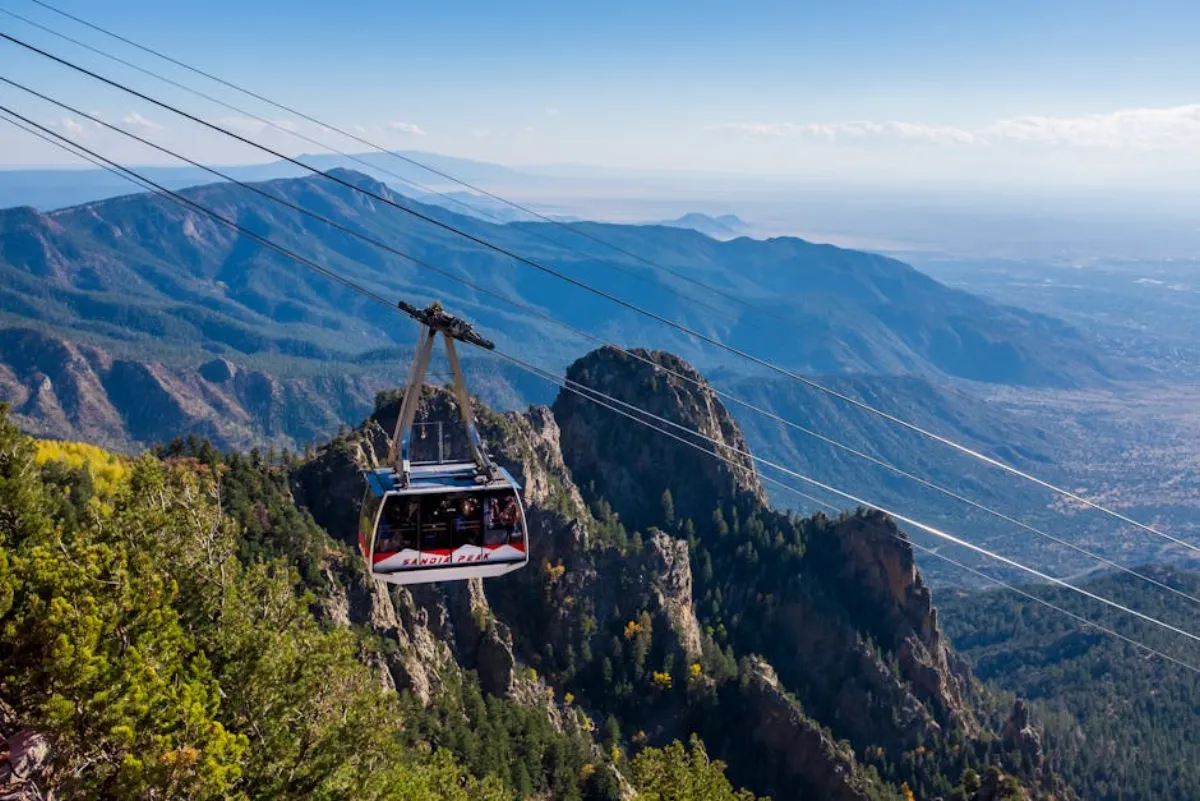
Albuquerque sits at 5,312 feet above sea level, nestled between the Sandia Mountains and the Rio Grande. The city’s high-desert climate – over 310 days of sunshine per year, low humidity, and mild winters – makes it one of the best places in the country for year-round outdoor activity. And Albuquerque residents take full advantage. Trail running in the Sandia foothills, road cycling along the Bosque Trail, and hiking the La Luz Trail are part of daily life here, not just weekend recreation.
That altitude and terrain come with a cost. Running and hiking at elevation on rocky, uneven surfaces puts specific stresses on the lower extremities – ankles, Achilles tendons, plantar fascia, shins, and hips take a beating. The city’s extensive trail network, while one of its greatest assets, creates the kind of repetitive impact loading that drives chronic overuse injuries.
Extracorporeal shockwave therapy (ESWT) – a non-invasive treatment that uses acoustic pressure waves to stimulate tissue healing – is available in Albuquerque through the University of New Mexico Health System, Presbyterian Healthcare Services, Lovelace Health System, and a growing network of private sports medicine and orthopedic practices. While the provider landscape is smaller than coastal metros, the quality of care is strong, particularly through UNM’s academic medical center.
Albuquerque’s economy adds another dimension to local ESWT demand. Sandia National Laboratories, Kirtland Air Force Base, and the city’s growing tech and film production sectors employ workers with varied physical demands – from lab technicians to military personnel to film crew members on long production shoots.
Common Conditions Treated in Albuquerque
Plantar fasciitis is the most common condition treated with ESWT in Albuquerque. Trail runners and hikers encounter uneven terrain, elevation changes, and hard-packed desert surfaces that place sustained stress on the plantar fascia. The city’s altitude also means that many recreational athletes push cardiovascular fitness while their musculoskeletal system is still adapting to the demands. When months of stretching, ice, and orthotics haven’t resolved chronic heel pain, shockwave therapy for plantar fasciitis is a well-evidenced option.
Hip bursitis is another frequently treated condition. The hills and switchbacks of Sandia foothill trails and the La Luz Trail require repetitive hip flexion and extension on inclines, which can irritate the greater trochanteric bursa over time. Albuquerque’s active older adult population – many retirees and semi-retirees relocate here for the climate and outdoor access – adds to the demand for ESWT for hip bursitis as an alternative to cortisone injection cycles.
Shin splints (medial tibial stress syndrome) are common among Albuquerque’s runners, particularly those new to altitude or transitioning from flat-surface running to trail running. The combination of elevation, uneven footing, and increased impact forces creates the conditions for chronic shin pain. For cases that don’t resolve with rest and gradual return to activity, shockwave therapy for shin splints provides a treatment option backed by clinical research.
What to Expect: Cost & Availability
Shockwave therapy in Albuquerque typically costs $100 to $350 per session, with most treatment protocols requiring three to five sessions spaced one to two weeks apart. Total out-of-pocket cost for a full treatment course runs approximately $350 to $1,400. Albuquerque’s cost of living is well below the national average, and healthcare pricing reflects that.
Insurance coverage in New Mexico is limited for ESWT. Most commercial plans and New Mexico’s Medicaid program classify shockwave therapy as investigational for most indications. Blue Cross Blue Shield of New Mexico and Presbyterian Health Plan are the dominant carriers – check your specific plan’s outpatient procedure benefits for coverage details. Some plans cover FDA-cleared indications with prior authorization.
HSA and FSA funds are accepted at most practices offering shockwave therapy in Albuquerque. Given the smaller market, fewer providers offer package pricing, but it’s still worth asking – some practices will discount a prepaid full treatment course.
Provider availability in Albuquerque is more limited than in larger metros. The UNM Health System provides the most comprehensive sports medicine services, while private orthopedic, podiatric, and sports medicine practices fill out the landscape. Practices are concentrated along the I-25 corridor, in the Nob Hill/University area, and in the Northeast Heights.
How to Find a Qualified Provider in Albuquerque
In a smaller market like Albuquerque, finding the right ESWT provider requires a more targeted search. Here’s what to look for:
- Board certification in orthopedics, sports medicine, podiatry, or physical medicine and rehabilitation. In a market with fewer providers, credential verification is especially important.
- Experience with your specific condition. Ask how many ESWT treatments the provider has performed and for which conditions. A provider who primarily treats plantar fasciitis may not be the right choice for shoulder calcification, and vice versa.
- Altitude-aware treatment planning. Providers familiar with altitude-related training demands understand how Albuquerque’s environment affects injury patterns and recovery timelines. This local expertise matters for setting realistic expectations.
- Device specifics. Focused shockwave and radial pressure wave therapy serve different purposes. Your provider should explain which technology they use and the clinical rationale for your condition.
Questions to ask:
- What is your experience treating my condition with ESWT?
- What type of shockwave device do you use?
- How do you modify treatment protocols for altitude or terrain-related injuries?
- What rehabilitation exercises should I pair with shockwave therapy?
UNM’s sports medicine division is the strongest option for complex cases and for patients who want an academic medicine approach. For more routine ESWT treatment courses, private sports medicine and podiatry practices in the Northeast Heights and Rio Rancho offer accessible care.
If Albuquerque’s provider options feel limited for your specific condition, providers in Santa Fe (about an hour north) occasionally offer ESWT as well, and some patients travel to larger markets like Denver or Phoenix for specialized cases.
Medical Disclaimer: This content is for informational purposes only and does not constitute medical advice. Shockwave therapy outcomes vary by individual and condition. Consult a qualified healthcare provider to determine if shockwave therapy is appropriate for your situation.
Shockwave Therapy Providers in Albuquerque, New Mexico
We don't have any listed providers in Albuquerque, New Mexico yet.
Learn more about conditions treated with shockwave therapy or browse our latest research and articles.
Conditions Treated with Shockwave Therapy
Providers in Albuquerque may offer shockwave therapy for the following conditions:
- Shockwave Therapy for Achilles Tendinopathy
- Shockwave Therapy for Calcific Shoulder Tendinitis
- Shockwave Therapy for Cellulite
- Shockwave Therapy for Erectile Dysfunction
- Shockwave Therapy for Hip Bursitis
- Shockwave Therapy for Patellar Tendinopathy
- Shockwave Therapy for Plantar Fasciitis
- Shockwave Therapy for Shin Splints