Shockwave Therapy for Shin Splints
A treatment option for runners and athletes dealing with persistent medial tibial stress syndrome
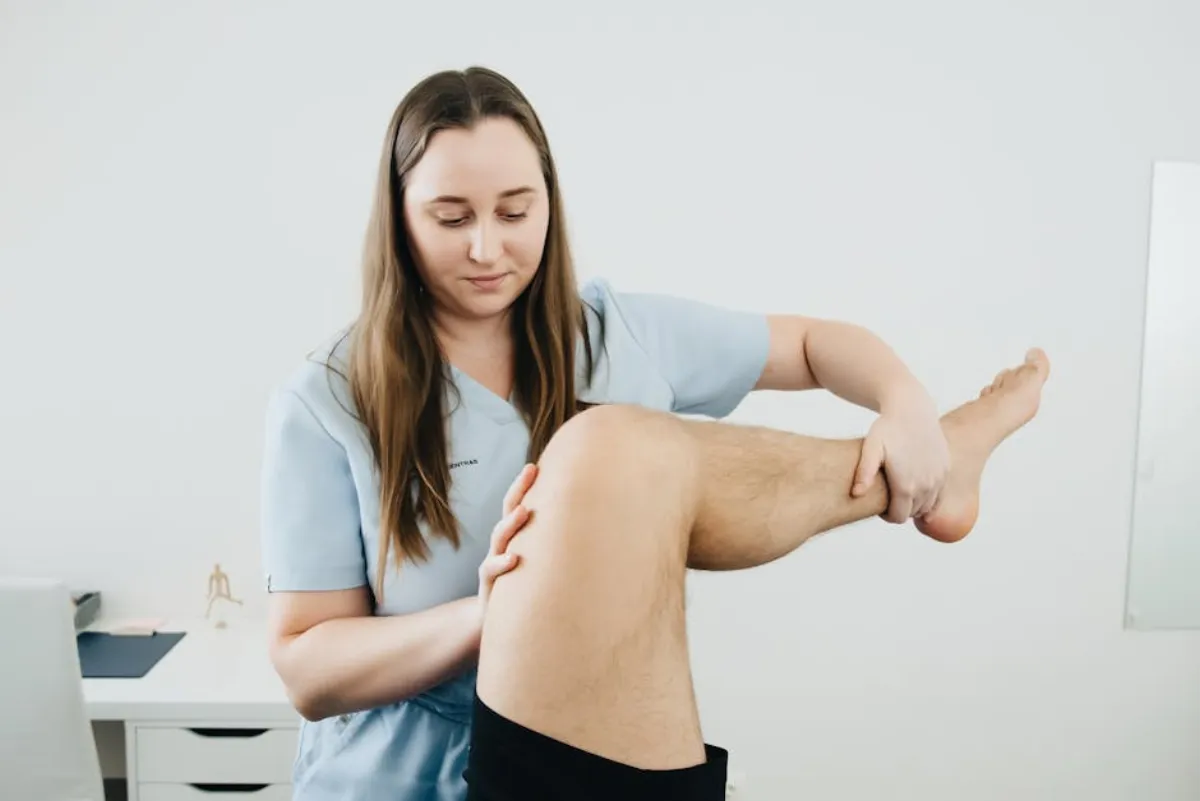
Key Takeaways
- ESWT group returned to sport in a median of 59 days vs. 91 days for controls (Moen 2012 RCT)
- A typical course involves 3-5 sessions spaced one week apart, with return to running 2-4 weeks after final session
- Used off-label in the U.S. -- not FDA-cleared for medial tibial stress syndrome
- Stress fractures must be ruled out before treatment -- applying ESWT to a stress fracture could worsen the injury
- Addresses existing tissue damage but does not fix the biomechanical factors that caused shin splints -- gait analysis and training modifications are still essential
What Is Shin Splints?
If you’re a runner who has felt that familiar burning ache along the inner edge of your shinbone — especially in the first miles of a run or the day after increasing your mileage — you know how quickly shin splints can derail a training cycle. What starts as a mild discomfort can escalate to the point where walking hurts, and the fear of a stress fracture begins to overshadow every run.
Shin splints, clinically known as medial tibial stress syndrome (MTSS), is one of the most common exercise-related injuries, accounting for 13 to 17% of all running injuries. The condition involves pain along the posteromedial (inner back) border of the tibia, typically in the lower two-thirds of the shin. It results from repetitive loading stress on the bone and the surrounding periosteum (the thin tissue layer covering the bone surface) and the muscles and fascia that attach to it.
MTSS is most common among distance runners, military recruits, dancers, and athletes who participate in sports involving running or jumping on hard surfaces. Risk factors include sudden increases in training volume, running on hard or cambered surfaces, overpronation (excessive inward rolling of the foot), weak hip and calf muscles, and inadequate footwear.
Standard treatment includes relative rest, ice, activity modification, physical therapy, orthotics, and gradual return to activity. While most cases resolve with these measures over 2 to 6 weeks, a significant subset of athletes develops chronic or recurrent MTSS that resists conservative treatment and sidelines them for months. For these persistent cases, extracorporeal shockwave therapy (ESWT) has gained attention as a treatment option.
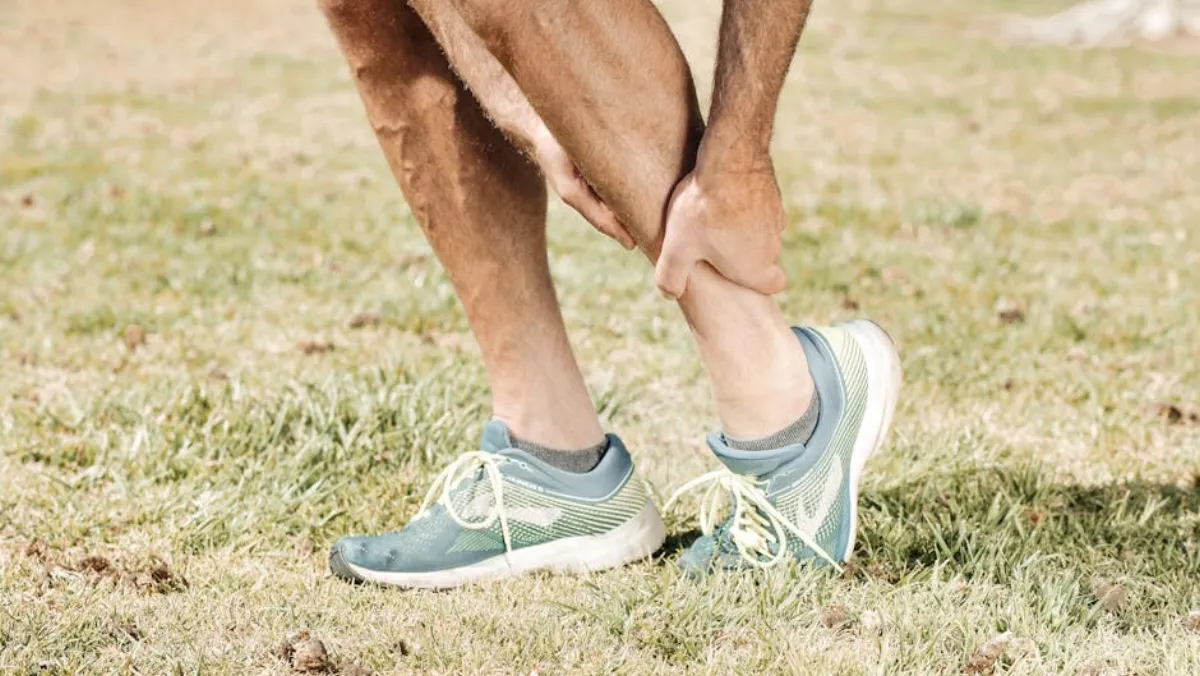
How Shockwave Therapy Works for Shin Splints
Extracorporeal shockwave therapy delivers focused or radial acoustic energy waves to the affected area along the tibial border. The energy penetrates through the skin and soft tissue to reach the periosteum and underlying bone where the pathology occurs.
MTSS involves a spectrum of pathological changes in the bone and periosteum, ranging from periosteal inflammation to stress reactions within the tibial cortex (the hard outer layer of bone). In chronic cases, the bone’s ability to remodel and repair itself in response to loading stress becomes impaired — it breaks down faster than it can rebuild.
Shockwave therapy targets this failed healing cycle through several mechanisms:
- Stimulation of osteoblast activity: Osteoblasts are the cells responsible for building new bone. Research suggests that mechanical stimulation from shockwave energy activates osteoblasts and promotes bone remodeling, which is directly relevant to the bone stress component of MTSS.
- Neovascularization: The acoustic energy promotes the growth of new blood vessels in the treated area, increasing blood supply and accelerating delivery of nutrients and growth factors needed for tissue repair.
- Reduction of substance P: Shockwave therapy has been shown to reduce levels of substance P, a neuropeptide involved in pain signaling. This may contribute to the pain relief observed in clinical studies.
- Disruption of chronic inflammation: In chronic MTSS, the inflammatory process can become self-perpetuating without leading to repair. Shockwave therapy provides mechanobiological stimulation that may reset the inflammatory cascade toward a productive healing response.
Both radial shockwave (rSWT) and focused shockwave (fESWT) have been used for shin splints. Radial devices are more commonly available and deliver energy over a broader area — useful given that MTSS pain often spans several centimeters along the tibia. Focused devices allow more precise targeting of specific points of maximum tenderness.
FDA status: Shockwave therapy for shin splints is an off-label use. ESWT devices have FDA clearance for other musculoskeletal conditions, but not specifically for MTSS.
What the Research Says
Clinical research on shockwave therapy for shin splints has grown steadily, with results generally supporting its effectiveness for chronic MTSS:
Moen et al. (2012) conducted a randomized controlled trial involving 42 athletes with chronic MTSS (symptoms lasting more than 5 months). Patients received either focused ESWT (5 sessions) plus a graded running program, or a graded running program alone. The ESWT group showed significantly faster time to return to sport — a median of 59 days compared to 91 days in the control group. At the 15-month follow-up, 64% of the ESWT group had returned to their pre-injury sport level, compared to 40% in the control group.
Gomez Garcia et al. (2017) published a study comparing radial shockwave therapy to conventional physical therapy in athletes with MTSS. The ESWT group received 3 sessions of radial shockwave at weekly intervals. Results showed significantly greater improvement in pain scores and functional outcomes in the ESWT group at both short-term and medium-term follow-up. The authors concluded that radial shockwave therapy was superior to conventional treatment for exercise-related MTSS.
Rompe et al. (2010) evaluated low-energy radial shockwave therapy in a prospective trial of patients with chronic MTSS. Patients who received 3 weekly sessions of rSWT showed significant improvement in pain and function scores at 4-month follow-up, with the majority reporting satisfactory outcomes.
Winters et al. (2013) published a systematic review examining all available treatments for MTSS and found that ESWT was among the interventions with the best available evidence, though the authors noted that high-quality evidence was limited across all MTSS treatments. They called for more rigorous randomized trials.
A 2021 meta-analysis by Korakakis et al. pooled data from available randomized trials and found that ESWT demonstrated a moderate positive effect on pain reduction and return to sport compared to control conditions, with low risk of adverse events.
Summary of the evidence
The research direction is positive. Shockwave therapy appears to accelerate recovery from chronic MTSS and may produce better outcomes than conventional therapy alone. The strongest evidence supports its use in cases that have not responded to initial conservative treatment (rest, physical therapy, activity modification). However, most studies have relatively small sample sizes, and there is no consensus on optimal protocols (energy level, session count, radial vs. focused). More large-scale trials are needed to establish definitive treatment guidelines.
What to Expect During Treatment
A typical shockwave session for shin splints is straightforward and takes place in an outpatient clinic:
Before treatment: Your provider will evaluate your shin pain through physical examination and possibly imaging (X-ray or MRI) to rule out a tibial stress fracture — which is an important differential diagnosis and a contraindication for shockwave therapy. They will palpate along the medial tibial border to identify the area of maximum tenderness and mark the treatment zone.
During the session: You’ll sit or lie in a position that exposes the inner shin. The provider applies coupling gel along the painful area of the tibia. The shockwave applicator is pressed against the skin, and pulses are delivered along the length of the affected area.
For radial shockwave, a typical session delivers 2,000 to 3,000 pulses at each treatment point, with the applicator moved along the medial tibial border to cover the entire symptomatic zone. For focused shockwave, 1,500 to 2,500 pulses may be delivered to specific points of maximum tenderness.
The sensation varies from a tapping or vibrating feeling to moderate discomfort, particularly at higher energy settings or directly over the most tender spots. Most patients rate the discomfort at 3 to 5 on a 0-to-10 scale. Providers typically start at lower energy levels and increase based on your tolerance.
Total treatment time is approximately 10 to 20 minutes for the shockwave delivery itself, with the full appointment lasting 20 to 30 minutes including setup and post-treatment discussion.
After treatment: You can walk out of the clinic immediately. The treated area may feel sore for 24 to 48 hours — similar to a post-exercise soreness. Providers generally recommend avoiding running and high-impact activities for 48 hours after each session. Low-impact cross-training (cycling, swimming, elliptical) is typically permitted.
Most providers advise against taking anti-inflammatory medications (NSAIDs) for 48 to 72 hours after treatment, as the inflammatory response is part of the intended healing mechanism.
Number of Sessions & Recovery Timeline
Standard protocols for shin splints typically involve 3 to 5 sessions, spaced 1 week apart. This is consistent with the protocols used in the key clinical studies.
Here’s what runners and athletes can generally expect:
- During the treatment period (weeks 1-5): You will likely need to reduce or modify training. Many providers allow cross-training with low-impact activities. Some patients notice reduced pain between sessions; others may experience temporary soreness after each treatment.
- Weeks 2-6 after final session: This is typically when meaningful pain improvement becomes noticeable. Your provider may begin a gradual return-to-running program during this phase — often starting with walk/run intervals at reduced volume and intensity.
- Weeks 6-12 after final session: Continued improvement as bone and periosteal remodeling progresses. Running volume can gradually increase, typically following a 10% weekly mileage increase rule. Speed work and hill training are usually the last elements reintroduced.
- 3-6 months: Full return to pre-injury training levels for most patients who respond to treatment. The Moen et al. study showed median return to sport at 59 days for the ESWT group.
The return-to-running process is critical. The most common mistake athletes make is returning to full training too quickly after pain subsides. Pain relief from ESWT does not mean the bone has fully remodeled. A structured, progressive loading plan — ideally developed with a sports-focused physical therapist or provider — significantly reduces the risk of recurrence.
Most providers also address contributing factors during the treatment period: gait analysis, footwear assessment, calf and hip strengthening exercises, and training volume adjustments. Shockwave therapy addresses the existing tissue damage, but it does not change the biomechanical patterns that caused the injury.
Cost & Insurance Coverage
Shockwave therapy for shin splints typically costs $200 to $500 per session, with a full course of 3 to 5 sessions totaling $600 to $2,500. Pricing varies by geographic area, provider type, and device used (focused ESWT typically costs more than radial).
Insurance coverage is generally not available for this off-label application. Most private insurance plans and Medicare do not reimburse shockwave therapy for MTSS. However, some providers may bill the treatment under musculoskeletal rehabilitation codes — check with your insurance carrier and the provider’s billing department before starting treatment.
Some clinics offer package pricing for the full course of treatment, which can reduce per-session costs. It is also worth asking whether follow-up assessments are included in the treatment price.
Cost context for athletes: Compare the cost of ESWT against the alternatives for chronic MTSS — ongoing physical therapy copays, custom orthotics ($300-$600), potential lost race entry fees, or the cost of extended time away from training. For competitive athletes, the financial calculation should include the value of returning to sport faster. For recreational runners, the question is whether the out-of-pocket cost is justified for a condition that may eventually resolve with rest and time alone.
Who Is a Good Candidate?
Shockwave therapy for shin splints is most appropriate for specific patient profiles:
Good candidates typically include:
- Runners and athletes with chronic MTSS lasting more than 8 to 12 weeks despite conservative treatment (rest, ice, activity modification, physical therapy)
- Athletes with recurrent shin splints that return each time training volume increases, despite addressing footwear and training errors
- Individuals motivated to return to running or sport who want an active treatment approach rather than extended rest
- Patients who have not found lasting relief from orthotics, physical therapy, or other conservative measures
- Military personnel, dancers, and other individuals whose occupation requires repetitive impact loading
Shockwave therapy is generally NOT appropriate for:
- Tibial stress fractures: This is a critical distinction. Stress fractures require different management (often a period of non-weight-bearing or protected weight-bearing). Your provider should rule out a stress fracture through imaging before initiating ESWT. Applying shockwave therapy to a stress fracture could worsen the injury.
- Acute shin splints of less than 4 to 6 weeks duration — most cases will respond to initial conservative treatment without the need for ESWT
- Patients with compartment syndrome (a different cause of exertional leg pain that requires separate evaluation)
- Pregnant individuals
- Patients with blood clotting disorders or on anticoagulant therapy
- Active infection or skin breakdown over the shin
- Malignancy in the treatment area
Before starting treatment, your provider should:
- Confirm the diagnosis of MTSS through physical examination
- Rule out stress fracture (X-ray, MRI, or bone scan if clinically indicated)
- Assess contributing biomechanical factors
- Discuss realistic expectations and the need for a structured return-to-running plan
- Review your training history to identify patterns that may have contributed to the injury
For the runner who has spent months managing stubborn shin pain — icing after every run, cutting mileage, watching races pass by — shockwave therapy offers a research-supported option that goes beyond symptom management and aims to accelerate the tissue healing process itself.
References
- Moen MH, Rayer S, Schipper M, et al. Shockwave treatment for medial tibial stress syndrome in athletes; a prospective controlled study. Br J Sports Med. 2012;46(4):253-257.
- Gomez Garcia S, Ramon Rona S, Gomez Tinoco MC, et al. Shockwave treatment for medial tibial stress syndrome in military cadets: A single-blind randomized controlled trial. Int J Surg. 2017;46:102-109.
- Rompe JD, Cacchio A, Furia JP, Maffulli N. Low-energy extracorporeal shock wave therapy as a treatment for medial tibial stress syndrome. Am J Sports Med. 2010;38(1):125-132.
- Winters M, Eskes M, Weir A, Moen MH, Backx FJ, Bakker EW. Treatment of medial tibial stress syndrome: A systematic review. Sports Med. 2013;43(12):1315-1333.
- Korakakis V, Whiteley R, Tzavara A, Malliaropoulos N. The effectiveness of extracorporeal shockwave therapy in common lower limb conditions: A systematic review including quantification of patient-rated pain reduction. Br J Sports Med. 2021;55(7):387-407.
Frequently Asked Questions
Is shockwave therapy FDA-approved for shin splints?
No. Shockwave therapy for shin splints is an off-label use. While ESWT devices hold FDA clearance for certain musculoskeletal conditions, the specific application to medial tibial stress syndrome has not undergone separate FDA review. Off-label use is common in medicine when clinical evidence supports the treatment.
Can I keep running during shockwave therapy for shin splints?
Most providers recommend reducing running volume during the treatment period, particularly high-impact and speed work. Light jogging may be permitted depending on your pain levels and your provider’s protocol. Cross-training with low-impact activities like swimming or cycling is typically encouraged. Your provider will give specific guidance based on the severity of your condition.
How is shockwave therapy different from icing or anti-inflammatories for shin splints?
Ice and anti-inflammatory medications aim to reduce pain and inflammation temporarily — they treat symptoms. Shockwave therapy aims to stimulate a healing response in the stressed periosteal and bone tissue. Research suggests ESWT may promote bone remodeling and tissue repair at the cellular level, potentially addressing the underlying condition rather than masking pain.
Will shockwave therapy prevent shin splints from coming back?
Shockwave therapy addresses existing tissue damage but does not change the biomechanical factors that caused the shin splints in the first place. Recurrence is possible if contributing factors — such as training errors, improper footwear, muscle imbalances, or running surface issues — are not addressed. Most providers recommend a comprehensive approach that includes gait analysis, strengthening exercises, and gradual return-to-running protocols.
How quickly can I return to full training after shockwave therapy for shin splints?
Return-to-running timelines vary based on the severity of your condition and individual healing response. Many patients begin a gradual running program 2 to 4 weeks after their final session, with full training volume typically reached 6 to 10 weeks after completing treatment. Rushing back too quickly is the most common cause of recurrence. Your provider should outline a structured return-to-activity plan.
Continue Learning
Explore our other in-depth condition guides and patient resources to understand your treatment options.