If you’ve been researching treatment options for a chronic tendon injury, two names keep appearing in the “regenerative medicine” category: extracorporeal shockwave therapy (ESWT) and platelet-rich plasma (PRP) injections. Both promise something different from cortisone or surgery – rather than masking pain or cutting tissue, they aim to stimulate your body’s own healing response. But they do this through very different mechanisms, and the evidence behind each varies by condition.
How Each Treatment Works
Shockwave therapy delivers acoustic pressure waves through the skin into damaged tissue. These high-energy pulses create controlled mechanical stress, triggering a cascade of biological responses: increased blood flow, growth factor release, stem cell recruitment, and new collagen production. The treatment is fully external – nothing enters the body.
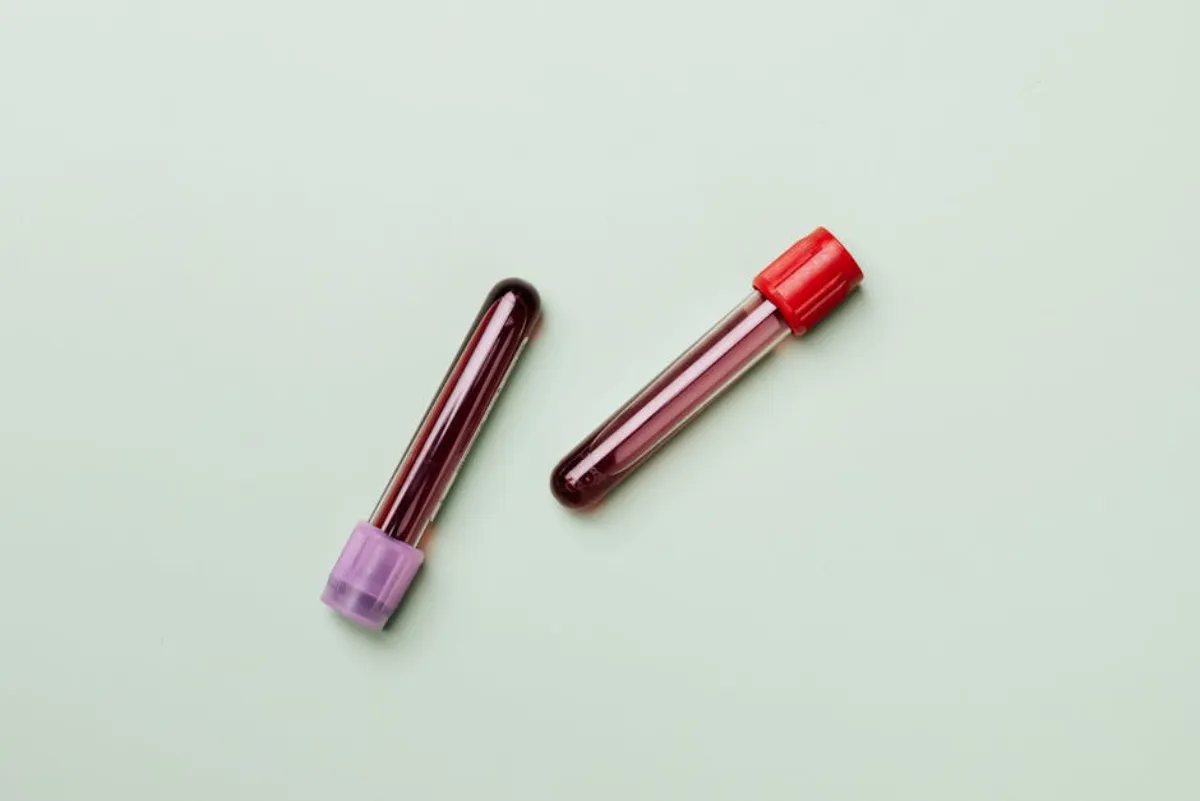
PRP injections take a direct delivery approach. Your provider draws your blood, spins it in a centrifuge to concentrate the platelets (which contain growth factors), and injects the concentrated solution directly into the damaged tissue. The growth factors are delivered to the injury site in much higher concentrations than your blood normally carries.
The difference is indirect versus direct. ESWT triggers your tissue to produce its own growth factors. PRP delivers concentrated growth factors from your blood. Both aim for tissue repair, but through different biological pathways.
Comparing the Evidence
Both treatments have clinical research behind them, but the evidence base differs.
ESWT evidence is broader. Shockwave therapy has been studied in large randomized controlled trials (RCTs) for plantar fasciitis, lateral epicondylitis, Achilles tendinopathy, and calcific shoulder tendinitis. Multiple systematic reviews and meta-analyses support its effectiveness for these conditions. The body of evidence spans over two decades.
PRP evidence is growing but less consistent. PRP has shown promising results in some studies, but the evidence is complicated by a lack of standardization. Different centrifuge systems produce different PRP compositions (varying platelet concentrations, white blood cell content, and growth factor profiles). This variability makes it harder to draw firm conclusions across studies.
Head-to-Head Research
Direct comparison studies are limited but informative. A 2013 study by Vetrano and colleagues compared ESWT to PRP for patellar tendinopathy (jumper’s knee). Both groups improved significantly. At 6- and 12-month follow-up, the PRP group showed modestly better results, though both treatments produced meaningful improvement (Vetrano et al., 2013, American Journal of Sports Medicine).
For plantar fasciitis, a 2019 RCT found comparable outcomes between ESWT and PRP at 3 months, with no statistically significant difference between groups (Shetty et al., 2019, Foot and Ankle Surgery).
The takeaway: neither treatment is clearly superior across all conditions. The best choice often depends on the specific diagnosis.
Practical Differences
Beyond the science, the patient experience differs meaningfully.
| Factor | Shockwave Therapy (ESWT) | PRP Injection |
|---|---|---|
| Invasiveness | Non-invasive (external) | Minimally invasive (needle injection + blood draw) |
| Session duration | 15-30 minutes | 45-60 minutes (including blood draw and processing) |
| Sessions needed | 3-5 typically | 1-3 typically |
| Pain during treatment | Moderate pressure/discomfort | Brief injection pain |
| Recovery after session | Minimal (avoid heavy loading 24-48 hrs) | Soreness at injection site for several days |
| Cost per session | $100-$500 | $500-$2,000 |
| Total course cost | $300-$1,500 | $500-$4,000 |
| Insurance coverage | Rarely covered | Rarely covered |
Both treatments are typically out-of-pocket expenses. The cost difference can be significant – a full course of ESWT often costs less than a single PRP injection.
When ESWT May Be Preferred
Shockwave therapy may be the better starting point when:
- The condition has strong ESWT evidence – plantar fasciitis, lateral epicondylitis, calcific shoulder tendinitis, and Achilles tendinopathy all have robust RCT data supporting ESWT
- Cost is a concern – ESWT typically costs less than PRP for a full treatment course
- The patient prefers non-invasive treatment – no needles, no blood draw
- Broader treatment areas – ESWT can cover a larger tissue area per session, which may benefit conditions affecting a wider zone
- Multiple locations need treatment in the same visit
When PRP May Be Preferred
PRP may be the stronger option when:
- ESWT has been tried without adequate response – PRP offers a different biological mechanism
- The injury involves a partial tear – PRP’s direct delivery of growth factors may benefit structural damage
- Surgical conditions where PRP is used as an adjunct to accelerate post-operative healing
- Joint conditions (like mild osteoarthritis) where intra-articular injection is the primary delivery route
- The provider has strong expertise with PRP preparation and standardized protocols
The Combination Approach
Some providers use ESWT and PRP sequentially. A common protocol starts with ESWT as the first-line regenerative treatment. If the response is partial after 3-5 sessions, PRP is considered as a next step. This approach uses the less expensive, non-invasive option first and reserves PRP for cases that need additional intervention.
The biological rationale for combining them is sound: ESWT increases blood flow and sensitizes the tissue, potentially creating a more receptive environment for the growth factors in PRP. However, research specifically studying the combination is still in its early stages.
If you’re weighing these options, a provider who offers both treatments can give you a condition-specific recommendation. Understanding how shockwave therapy works at the cellular level can also help you evaluate these choices.
The Bottom Line
ESWT and PRP are both legitimate regenerative treatments, but they aren’t interchangeable. Shockwave therapy has a broader evidence base for most tendinopathies, is less invasive, and costs less. PRP delivers growth factors more directly and may have advantages for certain injuries, particularly partial tears. Neither is universally better – the right choice depends on your diagnosis, treatment history, and provider expertise. Ask your provider which option has the strongest evidence for your specific condition.
References
-
Vetrano M, Castorina A, Vulpiani MC, Baldini R, Pavan A, Ferretti A. Platelet-rich plasma versus focused shock waves in the treatment of jumper’s knee in athletes. Am J Sports Med. 2013;41(4):795-803. PubMed
-
Shetty SH, Dhond A, Arora M, Deore S. Platelet-rich plasma has better long-term results than corticosteroids or placebo for chronic plantar fasciitis: randomized control trial. J Foot Ankle Surg. 2019;58(1):42-46. PubMed
Medical Disclaimer: This content is for informational purposes only and does not constitute medical advice. Shockwave therapy outcomes vary by individual and condition. Consult a qualified healthcare provider to determine if shockwave therapy is appropriate for your situation.