Key Takeaways
- Cortisone wins early (pain relief in days), but ESWT wins long-term -- cortisone benefits often fade by 12 months while shockwave holds
- Cortisone suppresses inflammation; ESWT stimulates healing -- fundamentally different approaches to the same problem
- After 2-3 cortisone injections without lasting relief, more cortisone is unlikely to help -- consider ESWT as the next step
- Wait at least 4-6 weeks between a cortisone injection and starting shockwave therapy to avoid undermining both treatments
- Cortisone is cheaper and usually insured ($100-$300); ESWT costs more out of pocket ($300-$1,500) but may offer more durable results
Your provider says you need treatment for chronic tendon pain. Maybe it’s a heel that won’t stop aching, or an elbow that flares up every time you grip something. Two names keep coming up: cortisone injections and shockwave therapy. They work in fundamentally different ways, and understanding those differences can help you make a more informed decision with your provider.
How Each Treatment Works
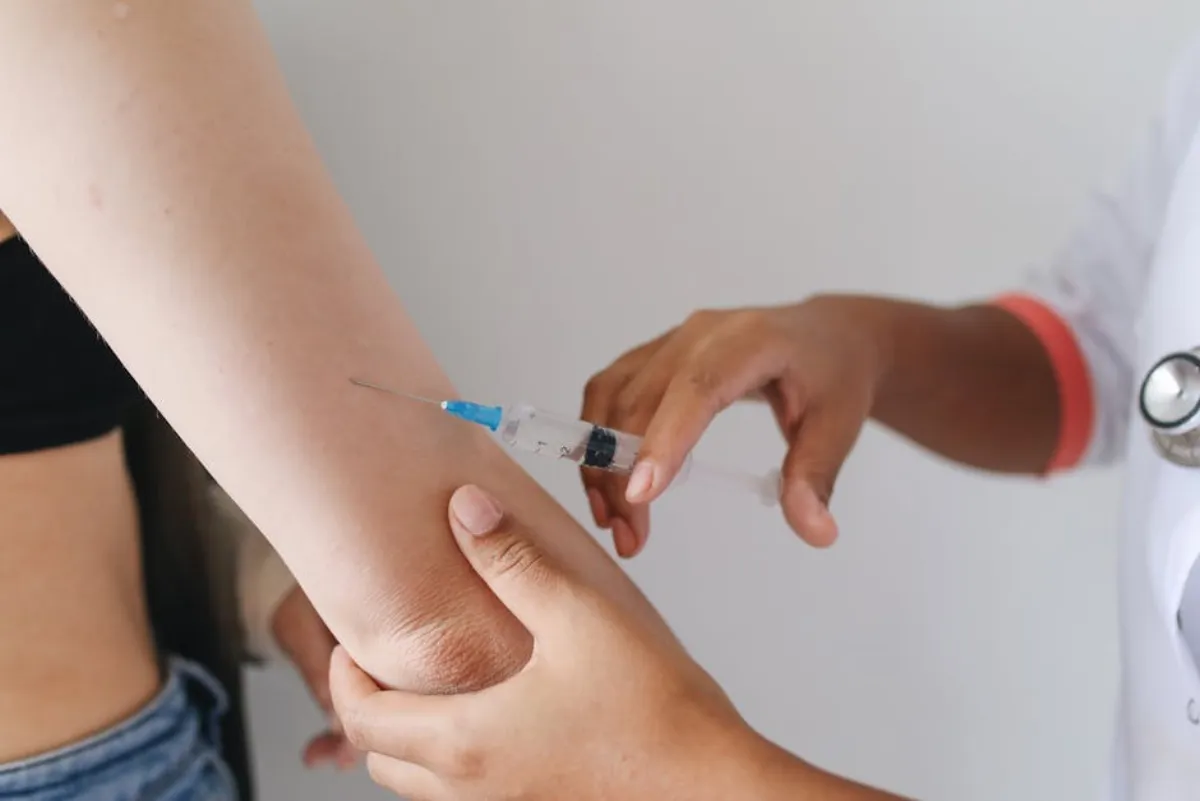
Cortisone injections deliver a corticosteroid directly into the affected area. This powerful anti-inflammatory suppresses the local immune response, reducing swelling and pain – often within days. It’s a symptom-management strategy: cortisone quiets the pain signal without altering the underlying tissue damage.
Extracorporeal shockwave therapy (ESWT) takes the opposite approach. A handheld device delivers acoustic pressure waves into the damaged tendon, creating controlled microtrauma. This triggers a biological healing cascade – increased blood flow, growth factor release, and new collagen formation. Rather than suppressing symptoms, ESWT aims to stimulate actual tissue repair.
The philosophical difference matters. Cortisone asks the body to stop reacting. ESWT asks the body to start healing.
What the Head-to-Head Evidence Shows
The most striking pattern in the research is a time-dependent crossover. Cortisone tends to win early. ESWT tends to win later.
A landmark 2007 study by Rompe and colleagues compared ESWT to cortisone injections for chronic plantar fasciitis. At the 4-week mark, cortisone patients reported significantly better pain scores. But by 12 months, the ESWT group had surpassed them – and the cortisone group had largely returned to baseline pain levels.
Similar patterns appear in studies of lateral epicondylitis (tennis elbow). Cortisone provides faster relief, but multiple studies suggest that the improvement fades, while ESWT outcomes tend to hold or improve over time (Rompe et al., 2007, American Journal of Sports Medicine).
This creates a genuine trade-off, not a clear winner.
When Cortisone Makes More Sense
Cortisone injections remain a valuable tool in specific situations:
- Acute flare-ups where rapid pain relief allows participation in physical therapy
- Diagnostic injections where pain relief confirms the source of symptoms
- Short-term need – a patient who needs to function for an upcoming event or work deadline
- Early-stage conditions where inflammation is the primary driver and the tendon structure is intact
- Cost constraints – a single cortisone injection ($100-$300) is more affordable than a full course of ESWT
Cortisone’s speed is a genuine advantage. When a patient can’t sleep or walk, waiting 6-8 weeks for ESWT to take effect isn’t always practical.
When ESWT Makes More Sense
Shockwave therapy may be the stronger option in other scenarios:
- Chronic conditions (3+ months) where the problem has shifted from active inflammation to tissue degeneration
- Failed cortisone – if 2-3 injections haven’t produced lasting relief, more cortisone is unlikely to change the trajectory
- Athletes or active patients concerned about the tendon-weakening effects of repeated steroid injections
- Patients who prefer non-invasive treatment – ESWT requires no needle and no injection
- Long-term durability – when the goal is lasting resolution rather than temporary relief
The Risk Profile
Both treatments are generally safe, but their risk profiles differ.
Cortisone risks with repeated use include tendon weakening (a concern for load-bearing tendons like the Achilles and plantar fascia), fat pad atrophy at the injection site, skin depigmentation, and potential blood sugar elevation in diabetic patients. A single injection carries minimal risk; the concerns increase with repeated use.
ESWT risks are generally mild: temporary soreness, redness, minor bruising, and occasional numbness at the treatment site. Serious complications are rare. There are no systemic effects because the treatment is entirely external. You can read more about what shockwave therapy feels like to understand the treatment experience.
Cost Comparison
| Factor | Cortisone Injection | Shockwave Therapy (ESWT) |
|---|---|---|
| Cost per session | $100-$300 | $100-$500 |
| Total course cost | $100-$900 (1-3 injections) | $300-$1,500 (3-5 sessions) |
| Insurance coverage | Usually covered | Rarely covered |
| Time per session | 10-15 minutes | 15-30 minutes |
| Sessions needed | 1-3 | 3-5 typically |
| Time to initial relief | Days | 4-8 weeks |
Insurance coverage is a practical factor. Cortisone injections are commonly covered by health insurance, while ESWT is frequently an out-of-pocket expense. This cost difference may influence the decision for many patients. Learn more about shockwave therapy costs and insurance.
Can You Use Both?
Yes, but sequencing matters. Some providers use cortisone first for immediate pain relief, then follow with ESWT once the acute phase has settled. Others prefer to try ESWT first for chronic conditions, reserving cortisone for acute flare-ups.
The one approach most clinicians avoid is simultaneous treatment. Because cortisone suppresses the inflammatory response and ESWT depends on triggering that response, using them at the same time can undermine the mechanism of each.
If you’re exploring your options, a qualified provider can help you determine the right approach for your specific condition, timeline, and goals.
The Bottom Line
Cortisone injections and shockwave therapy both have legitimate roles in treating tendon pain. Cortisone delivers faster relief and costs less upfront, but the benefits tend to be temporary. ESWT takes longer to work but research suggests it may produce more durable outcomes, particularly for chronic conditions. The best choice depends on your specific situation – how long you’ve had symptoms, how many cortisone injections you’ve already tried, and whether you need immediate relief or a longer-term solution. Talk with your provider about which approach fits your goals.
References
-
Rompe JD, Maffulli N, Cacchio A, et al. Shock wave therapy versus corticosteroid injection for plantar fasciitis and lateral epicondylitis. Am J Sports Med. 2007;35(6):972-978.
-
Coombes BK, Bisset L, Vicenzino B. Efficacy and safety of corticosteroid injections and other injections for management of tendinopathy: a systematic review of randomised controlled trials. Lancet. 2010;376(9754):1751-1767. PubMed
Medical Disclaimer: This content is for informational purposes only and does not constitute medical advice. Shockwave therapy outcomes vary by individual and condition. Consult a qualified healthcare provider to determine if shockwave therapy is appropriate for your situation.