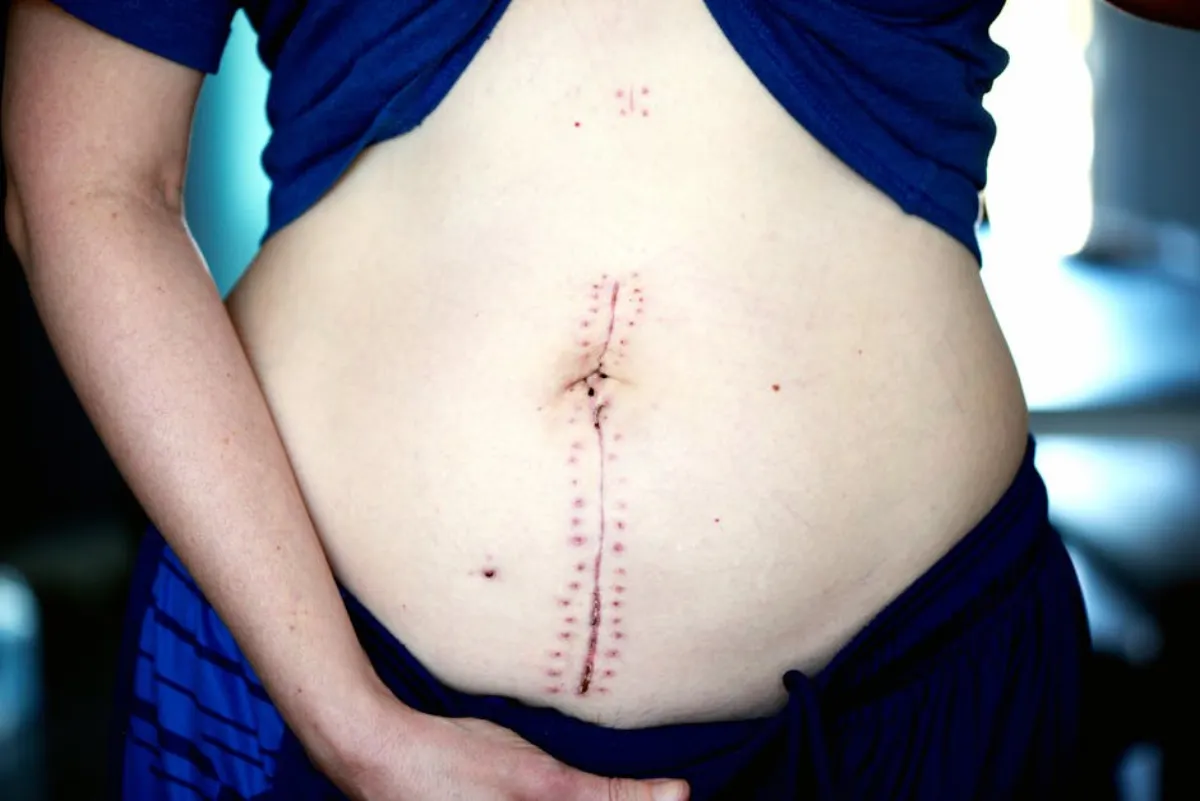
After surgery, injury, or a burn, your body heals by laying down scar tissue – tough, fibrous collagen that patches the wound but doesn’t function like the original tissue. Sometimes that scar tissue causes problems months or years later: restricted range of motion, persistent pain at the scar site, or adhesions that bind tissues together in ways they shouldn’t.
If you’re dealing with problematic scar tissue that hasn’t responded to stretching, massage, or physical therapy, you may have come across extracorporeal shockwave therapy (ESWT) as a potential option. The research is early, but the biological rationale is solid.
Why Scar Tissue Becomes a Problem
Not all scars cause trouble. But when scar tissue forms excessively or in the wrong places, it can create real functional limitations:
- Post-surgical adhesions – internal scar tissue that binds organs or tissues together, restricting movement and sometimes causing pain
- Hypertrophic scars – raised, thickened scars that stay within the boundaries of the original wound but remain rigid and sometimes painful
- Keloid scars – scars that grow beyond the original wound boundaries, forming raised, firm tissue masses
- Fascial adhesions – fibrotic tissue that binds muscle layers or fascia together, limiting flexibility and causing myofascial pain
- Dupuytren’s contracture – thickening and shortening of the palmar fascia in the hand, causing finger contracture
Traditional treatments include manual therapy, stretching, corticosteroid injections, silicone sheeting, and in severe cases, surgical revision. Each has limitations, which is why researchers have explored whether shockwave therapy’s healing mechanisms might offer something different.
How ESWT Might Remodel Scar Tissue
The proposed mechanism for shockwave therapy in scar tissue involves two main pathways:
Mechanical disruption. The acoustic pressure waves generated by ESWT can physically disrupt abnormal collagen cross-links in fibrotic tissue. Scar tissue is characterized by dense, disorganized collagen fibers. Shockwave energy may help break down some of this rigid architecture, allowing the tissue to remodel into a more organized, flexible structure.
Mechanotransduction. ESWT triggers biological signaling cascades at the cellular level. In scar tissue, this may stimulate fibroblasts to produce collagen in a more organized pattern, promote blood flow to poorly vascularized scar areas, and modulate inflammatory pathways that contribute to ongoing fibrosis.
These are the same biological mechanisms that make ESWT effective for other conditions involving tissue remodeling – the question is how well they work specifically in scar tissue.
What the Research Shows
The evidence for ESWT in scar tissue management is early but shows consistent signals of benefit.
A 2016 study by Fioramonti et al. (Annals of Plastic Surgery) demonstrated significant improvements in scar pliability, thickness, and vascularity in post-burn hypertrophic scars after ESWT treatment. Patients also reported reduced pain and itching at the scar sites.
A systematic review by Zhao et al. (2019, Burns) analyzed seven studies on ESWT for burn scars and reported overall positive effects on scar quality, with improvements in Vancouver Scar Scale scores across multiple studies. The authors noted that while results were promising, most studies were small and lacked long-term follow-up.
Case reports have also documented improvements in post-surgical adhesions, Dupuytren’s contracture, and even plantar fibromatosis after ESWT treatment.
Limitations of the Current Evidence
- Most studies involve small patient groups (10-40 participants)
- Scar types vary significantly across studies, making comparisons difficult
- Outcome measures differ – some use standardized scar scales, others rely on ultrasound measurements or subjective reports
- Long-term durability of improvements is unclear
- No large, multicenter RCTs have been completed
When ESWT for Scars Might Make Sense
Based on the available evidence, ESWT for scar tissue might be worth discussing with your provider if:
- You have a mature scar (at least 6 months old) that is causing functional problems – restricted range of motion, persistent pain, or tightness
- Conservative approaches (stretching, manual therapy, silicone treatments) have provided insufficient improvement
- You want to explore a non-invasive option before considering surgical scar revision
- The scar is hypertrophic (raised and thickened) rather than a simple flat scar
ESWT is unlikely to be helpful for cosmetically bothersome scars that aren’t causing functional impairment. It’s also not a first-line treatment – it would typically be considered alongside or after physical therapy and manual techniques for trigger point and myofascial issues related to scar tissue.
What Treatment Looks Like
Providers who offer ESWT for scar tissue typically apply the handpiece directly over and around the scar area. Protocols vary, but common approaches include:
- 3-6 sessions spaced 1-2 weeks apart
- Low to medium energy settings (lower than protocols for bone healing or calcific tendinitis)
- Combined with stretching and manual therapy between sessions
- Assessment of scar quality before and after treatment using standardized scales
If you’re looking for a provider with experience in this application, look for one who is transparent about the investigational nature of ESWT for scar tissue.
The Bottom Line
Shockwave therapy for scar tissue is an emerging application with a sound biological rationale and encouraging early results, particularly for hypertrophic and post-burn scars. However, the evidence base is still small, and this remains an investigational use. Patients with problematic scar tissue should view ESWT as one tool in a broader treatment approach that includes physical therapy, manual techniques, and in some cases, surgical revision.
Explore our condition guides to learn more about evidence-based shockwave therapy applications.
References
-
Fioramonti P, Cigna E, Onesti MG, Fino P, Fallico N, Scuderi N. Extracorporeal shock wave therapy for the management of burn scars. Dermatol Surg. 2012;38(5):778-782. PubMed
-
Zhao JC, Zhang BR, Shi K, Wang J, Yu QH, Yu JA. Lower energy radial shock wave therapy improves characteristics of hypertrophic scar in a rabbit ear model. Exp Ther Med. 2018;15(1):933-939. PubMed
Medical Disclaimer: This content is for informational purposes only and does not constitute medical advice. Shockwave therapy outcomes vary by individual and condition. Consult a qualified healthcare provider to determine if shockwave therapy is appropriate for your situation.