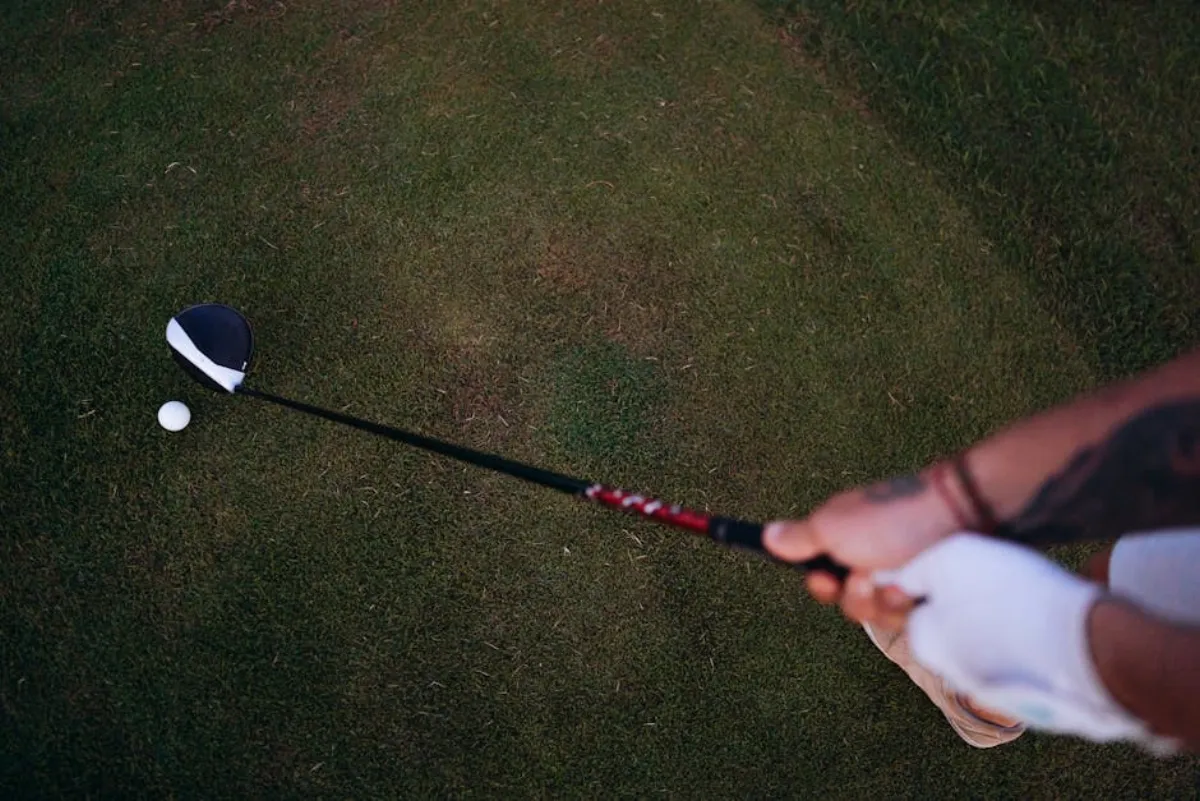
When people hear “elbow tendinopathy,” they almost always think of tennis elbow. It dominates the research literature, the treatment guides, and the shockwave therapy marketing. But if your pain is on the inner side of your elbow – not the outer – you’re dealing with a different condition that behaves differently and may require a different treatment approach.
Medial epicondylitis, commonly called golfer’s elbow, affects the flexor tendons on the inside of the elbow. It’s less common than its lateral counterpart, which means less research, fewer standardized protocols, and more uncertainty when exploring treatments like extracorporeal shockwave therapy (ESWT). Here’s what we know.
Two Sides of the Elbow, Two Different Problems
The distinction between tennis elbow and golfer’s elbow starts with anatomy:
Lateral epicondylitis (tennis elbow) involves the extensor tendons that attach to the outer bony prominence of the elbow. These tendons control wrist extension – bending your wrist backward. Pain occurs when gripping, lifting, or turning a doorknob.
Medial epicondylitis (golfer’s elbow) involves the flexor tendons that attach to the inner bony prominence. These tendons control wrist flexion and forearm rotation. Pain occurs when gripping, twisting, or throwing.
This anatomical difference matters for shockwave therapy because the medial side of the elbow sits closer to the ulnar nerve – the nerve responsible for sensation in your ring and pinky fingers (the same nerve that fires when you hit your “funny bone”). This proximity means providers must use more precise targeting and sometimes lower energy levels to avoid nerve irritation during treatment.
Who Gets Golfer’s Elbow (Hint: Not Just Golfers)
Despite the name, golfer’s elbow is common among people who never touch a golf club:
- Throwing athletes – baseball pitchers, javelin throwers, and football quarterbacks
- Desk workers – repetitive mouse use, typing with poor wrist positioning
- Manual laborers – plumbers, carpenters, mechanics (repetitive gripping and twisting)
- Climbers – sustained gripping with high forearm load
- Weight lifters – heavy pulling movements, especially curls and deadlifts
The condition develops when repetitive stress causes micro-damage in the flexor-pronator tendons faster than the body can repair it. Over time, this leads to tendinopathy (chronic tendon degeneration, sometimes called tendonitis) – the same degenerative process seen in tennis elbow, just on the opposite side.
What the Research Says About ESWT for Medial Epicondylitis
The evidence base for shockwave therapy in golfer’s elbow is smaller but growing compared to the robust research behind lateral epicondylitis.
A study by Pettrone and McCall (2005, Journal of Bone and Joint Surgery) demonstrated that ESWT produced significant pain reduction in lateral epicondylitis, and the treatment mechanism – stimulating neovascularization (new blood vessel growth) and tissue remodeling – applies to tendinopathy regardless of location. Research on medial epicondylitis specifically, including work by Lee et al. (2012, American Journal of Physical Medicine & Rehabilitation), suggests similar benefits, though the sample sizes are smaller.
Clinical consensus supports the use of ESWT for medial epicondylitis based on the shared pathology with lateral epicondylitis. Both conditions involve tendon degeneration, failed healing response, and pain at a bony attachment point – the biological targets that ESWT addresses.
However, the smaller evidence base means fewer standardized treatment protocols for the medial side. Providers with experience in both conditions typically adjust their approach based on the anatomical differences.
How Treatment Protocols Differ
If you’re considering ESWT for golfer’s elbow, expect some differences from the typical tennis elbow protocol:
Energy levels: Many providers start with lower energy settings on the medial side due to the proximity of the ulnar nerve. The energy may be gradually increased across sessions based on your tolerance and response.
Focal depth and targeting: The flexor tendon attachment on the medial epicondyle requires precise handpiece positioning. Ultrasound guidance can help providers visualize the target tissue and avoid directing energy toward the ulnar nerve.
Number of sessions: Most protocols call for 3-5 treatment sessions spaced one to two weeks apart – similar to tennis elbow. Some providers report needing an additional session for medial cases that are slow to respond.
Patient positioning: Your arm will typically be positioned with the palm facing up (supinated) to expose the inner elbow, compared to the palm-down position used for lateral epicondylitis.
Understanding potential side effects is particularly important for medial epicondylitis treatment, since temporary tingling in the ring and pinky fingers can occur if the ulnar nerve is stimulated during the session.
When to Suspect Ulnar Nerve Involvement
This is a critical clinical point. If your inner elbow pain is accompanied by any of the following, your provider should evaluate for ulnar nerve problems before proceeding with ESWT:
- Tingling or numbness in the ring finger and pinky
- Weakness in grip strength, especially with fine motor tasks
- A sensation of the nerve “snapping” or “popping” over the inner elbow during bending
- Pain that radiates down the forearm into the hand
Ulnar neuropathy can coexist with medial epicondylitis, and treating one without addressing the other leads to incomplete relief. In some cases, ulnar nerve issues require different interventions – nerve gliding exercises, activity modification, or in severe cases, surgical transposition – rather than shockwave therapy.
A provider experienced in upper extremity conditions can distinguish between tendon and nerve contributions to your pain through clinical examination and, when needed, nerve conduction testing.
Finding the Right Provider for Golfer’s Elbow Treatment
Because medial epicondylitis is less common and involves additional anatomical considerations, look for a provider who:
- Has specific experience treating medial epicondylitis with ESWT, not just lateral
- Uses ultrasound guidance or palpation-guided protocols to target the flexor tendons accurately
- Screens for ulnar nerve involvement before beginning treatment
- Can offer a combined approach including eccentric strengthening exercises alongside ESWT
Sports medicine physicians and physical therapists who treat both conditions regularly are well-positioned to guide your treatment. Read our guide to tennis elbow for more on ESWT for epicondylitis.
The Bottom Line
Golfer’s elbow is not just “tennis elbow on the other side.” The medial location, proximity to the ulnar nerve, and different tendon group all influence how shockwave therapy is applied. While the evidence base is smaller than for lateral epicondylitis, clinical data and the shared biological mechanism of tendinopathy support ESWT as a reasonable option for chronic cases. The key is working with a provider who understands the anatomical nuances and screens for nerve involvement before starting treatment.
Explore our condition guides to learn more about shockwave therapy for epicondylitis and other tendinopathies.
References
-
Pettrone FA, McCall BR. Extracorporeal shock wave therapy without local anesthesia for chronic lateral epicondylitis. J Bone Joint Surg Am. 2005;87(6):1297-1304. PubMed
-
Lee SS, Kang S, Park NK, et al. Effectiveness of initial extracorporeal shock wave therapy on the newly diagnosed lateral or medial epicondylitis. Ann Rehabil Med. 2012;36(5):681-687. PubMed