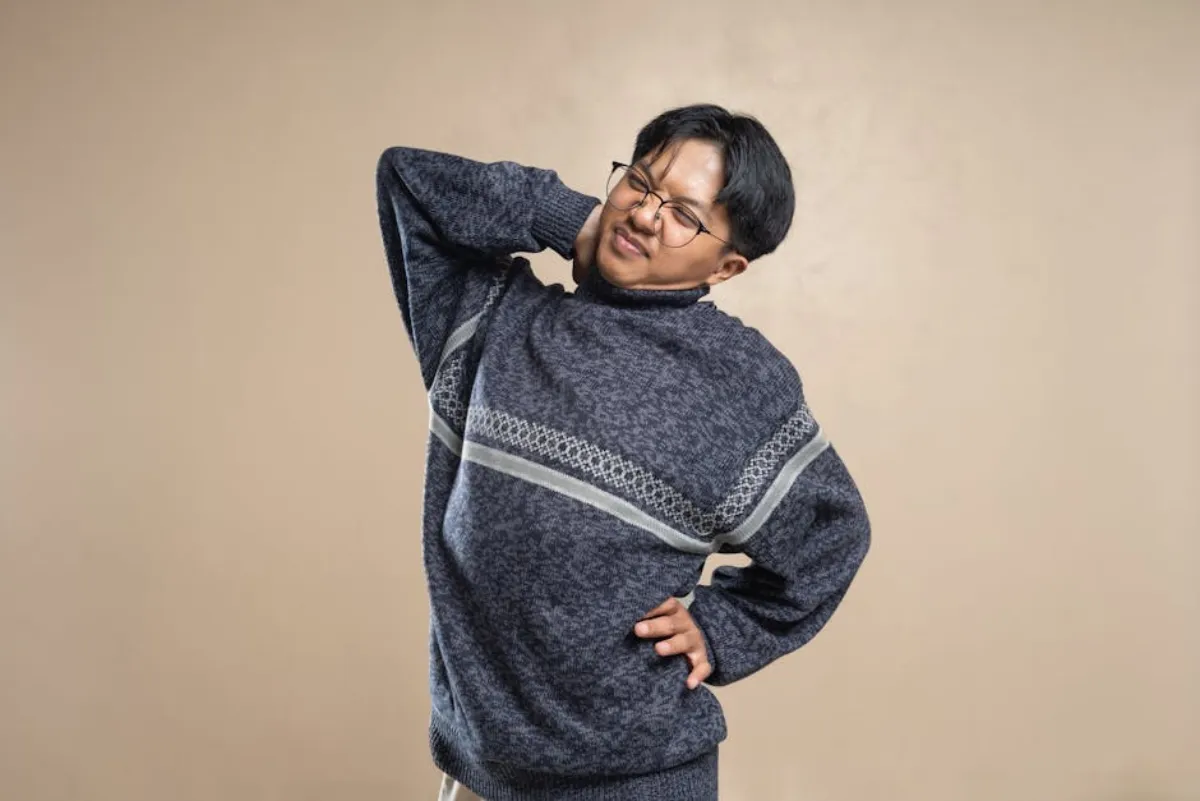
You’re eight miles into a long run when the outside of your hip starts aching. By mile ten, it’s sharp enough that you’re altering your stride. You take a few days off, but the pain returns within the first mile of your next run. The internet tells you it’s “hip bursitis,” your running buddy says IT band, and your physical therapist suspects something else entirely.
Lateral hip pain is one of the most common complaints among distance runners, and the diagnostic confusion is real. Three different conditions can produce nearly identical symptoms – and each one responds differently to treatment, including shockwave therapy for hip bursitis. Getting the diagnosis right matters before choosing a treatment approach.
The Differential Diagnosis: Three Conditions, One Location
When a runner presents with pain on the outside of the hip, the three most likely causes are:
Greater trochanteric bursitis – inflammation of the fluid-filled sacs (bursae) that cushion the bony prominence on the outer hip. Traditionally, this was considered the primary cause of lateral hip pain. However, research over the past decade has shown that isolated bursitis is less common than previously thought. Many cases diagnosed as “bursitis” actually involve the gluteal tendons.
Gluteal tendinopathy – degenerative changes in the gluteus medius and/or gluteus minimus tendons where they attach to the greater trochanter. This is now recognized as the most common cause of greater trochanteric pain syndrome (GTPS). The tendons develop disorganized collagen and poor vascularity – similar to what happens in Achilles tendinopathy or patellar tendinopathy.
IT band syndrome – irritation where the iliotibial band crosses the lateral femoral epicondyle (above the knee) or, less commonly, at the hip. IT band pain at the hip typically involves compression of the band over the greater trochanter during repetitive flexion-extension cycles.
The distinction matters because bursitis is primarily an inflammatory condition (and may respond to anti-inflammatory treatments), while gluteal tendinopathy involves structural tissue degeneration that requires a healing stimulus. IT band syndrome involves friction and compression that require biomechanical correction.
Why “Hip Bursitis” Is Often a Misnomer
Imaging studies have changed how clinicians view lateral hip pain. MRI research demonstrates that the majority of patients diagnosed with “hip bursitis” actually have gluteal tendon pathology – either alone or in combination with bursitis (Connell et al., 2003, American Journal of Roentgenology). Isolated bursitis without tendon involvement is relatively uncommon.
This matters for treatment because cortisone injections – the standard treatment for bursitis – may provide short-term relief but don’t address underlying tendon degeneration. Runners who receive repeated cortisone injections for what is actually gluteal tendinopathy may experience diminishing returns and potentially weaken the already compromised tendons.
Evidence for Shockwave Therapy in Lateral Hip Pain
Research supports ESWT as a treatment option for greater trochanteric pain syndrome, which encompasses both bursitis and gluteal tendinopathy:
Furia et al. (2009) conducted a prospective study evaluating focused ESWT for chronic GTPS in patients who had failed conservative treatment. At 12-month follow-up, 68% of patients in the ESWT group reported successful outcomes compared to 36% in the control group. Pain scores improved significantly, and functional outcomes were maintained at one year (Furia et al., 2009, Archives of Physical Medicine and Rehabilitation).
Rompe et al. (2009) compared radial shockwave therapy to corticosteroid injection for GTPS in a randomized controlled trial. At 4-month follow-up, the groups showed similar improvement. However, at 15-month follow-up, the shockwave group maintained their improvement while the corticosteroid group had regressed – a pattern consistent with ESWT’s tissue-healing mechanism versus cortisone’s anti-inflammatory (but non-healing) effect (Rompe et al., 2009, American Journal of Sports Medicine).
These findings suggest that shockwave therapy may be particularly appropriate for runners because it addresses the underlying tissue pathology rather than temporarily suppressing symptoms.
Running Biomechanics That Contribute to Hip Pain
Treatment alone won’t solve the problem if the biomechanical factors driving the injury persist. Common running-related contributors to lateral hip pain include:
- Hip drop (Trendelenburg pattern). Weakness in the gluteus medius allows the pelvis to drop on the unsupported side during single-leg stance. This overloads the gluteal tendons on the stance leg during every stride.
- Crossover gait. When the feet cross the midline during running, it increases compression of the gluteal tendons and IT band over the greater trochanter.
- Inadequate hip abductor strength. The gluteus medius and minimus work eccentrically with every step to stabilize the pelvis. Weakness creates excessive tendon loading.
- Sudden mileage increases. The classic “too much, too fast” pattern applies to hip tendons just as much as to the Achilles or plantar fascia.
Combining ESWT with Targeted Rehabilitation
The best outcomes for runner’s hip pain come from addressing both the tissue pathology and the biomechanical drivers. A typical combined approach includes:
- Shockwave therapy (3-5 sessions) to stimulate healing in the gluteal tendons and reduce pain
- Progressive hip strengthening – starting with isometric gluteal exercises and advancing to heavy slow resistance training
- Gait retraining – cues to widen step width, increase cadence, and reduce crossover
- Gradual return to running – following a structured mileage progression as symptoms allow
This combination approach addresses what to do after shockwave therapy for the most durable outcome. Runners who complete shockwave therapy but return to the same training errors without rehabilitation are more likely to see recurrence.
Sports medicine providers who work with runners often have specific experience treating lateral hip pain using this combined approach.
The Bottom Line
Lateral hip pain in runners is commonly misdiagnosed as simple bursitis when gluteal tendinopathy is often the real culprit. Getting an accurate diagnosis – ideally confirmed with ultrasound or MRI – is the critical first step. For runners with confirmed gluteal tendinopathy or greater trochanteric pain syndrome that hasn’t responded to rest and physical therapy, shockwave therapy offers a non-invasive treatment option with evidence for sustained improvement. The best results come from combining ESWT with targeted hip strengthening and gait correction, not from shockwave therapy alone.
References
- Schmitz C, Császár NB, Milz S, et al. Efficacy and safety of extracorporeal shock wave therapy for orthopedic conditions: a systematic review on studies listed in the PEDro database. Br J Sports Med. 2015;49(9):590-595. PubMed
Medical Disclaimer: This content is for informational purposes only and does not constitute medical advice. Shockwave therapy outcomes vary by individual and condition. Consult a qualified healthcare provider to determine if shockwave therapy is appropriate for your situation.